
"Newly bought"
300 article(s) found

Soft Colombia Coffee Flavor Manor Features Fine Coffee Introduction
Colombia is fortunate to have Atlantic and Pacific ports, which help to reduce the cost of transporting coffee, and it is the only country in South America that has this condition. The main productive areas of Colombia are located in the Central and Eastern Mountains. The most important plantations distributed along the Central Mountains are located in Medellin, Armenia and Manizales.

The New York Coffee Festival doesn't just have coffee.
For the exchange of professional baristas, please follow the coffee workshop (Wechat official account cafe_style). In New York, where coffee culture is very popular, it is said that there are more than 2000 coffee shops in the city. Coffee is the spice of New York culture, and even for a long time, you can pick people up with coffee in New York. At the first New York Coffee Festival, which ended not long ago, Alec drank 2.

Colombia Medellin Coffee introduces Colombian boutique coffee with great potential.
Professional coffee knowledge exchange more coffee bean information please follow the coffee workshop (Wechat official account cafe_style) Colombia is rich in coffee production, has always lost only to Brazil, is the second largest coffee producer, however, between 2003 and 2007, it was overtaken by Vietnam and is now the world's third largest coffee producer, and more than 2 million people in Colombia rely on coffee production.

Boutique coffee common sense coffee raw beans the difference between new beans and old beans
After dry and wet processing, coffee fruit becomes coffee raw bean (Raw bean/Green bean). The main components of raw beans are: carbohydrates, about 49%; moisture, about 12%; protein. About 11%; chlorogenic acid, about 7.6% alkaloids and trace elements, about 0.4%. According to the length of time, raw beans can be divided into: seasonal beans (Current Cro)

General knowledge of Coffee Culture the Development History of Colombian Coffee
Coffee was first introduced to Colombia in 1808 when it was brought by a priest from the French Antilles via Venezuela. Today, the country is the second largest producer after Brazil, with an annual output of 13 million bags of 60 kg each, while Brazil produces 22 million bags a year. The status of coffee in Colombia can be seen in the following examples-all entering the
Global coffee producing area-Colombia
Coffee was first introduced to Colombia in 1808 when it was brought by a priest from the French Antilles via Venezuela.
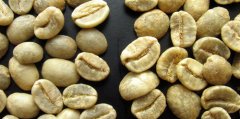
High-quality coffee raw beans: the difference between new beans and old beans
After dry and wet processing, coffee fruit becomes coffee raw bean (Raw bean/Green bean). The main components of raw beans are: carbohydrates, about 49%; moisture, about 12%; protein. About 11%; chlorogenic acid, about 7.6% alkaloids and trace elements, about 0.4%. According to the length of time, raw beans can be divided into: seasonal beans (Current Cro)

Introduction to the characteristic species of Colombian Coffee beans Lazmus Manor
In the early 1960s, coffee production was about 600kg per hectare. Now it has risen to about 900kg, and some farms can reach 2500 kg. However, quality assurance is a top priority for the coffee industry. Colombia established the National Coffee Management Association (Federacion Nacional de Cafeteros, or FNC) in 1927, which is responsible for quality supervision. Although the association is a private company
Coffee producing areas in Colombia
Coffee was first introduced to Colombia in 1808 when it was brought by a priest from the French Antilles via Venezuela. Today the country is the second largest producer after Brazil.
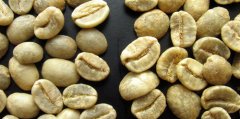
Coffee raw beans: the main components of raw beans between new beans and old beans
After dry and wet processing, coffee fruit becomes coffee raw bean (Raw bean/Green bean). The main components of raw beans are: carbohydrates, about 49%; moisture, about 12%; protein. About 11%; chlorogenic acid, about 7.6% alkaloids and trace elements, about 0.4%. According to the length of time, raw beans can be divided into: seasonal beans (Current Cro)

Coffee emotion of agronomic consultant of Nestl é
Coffee is an emotion. This emotion comes not only from the mellow taste, but also from the precipitation of thoughts in the quiet time brought by coffee, which brings me closer to myself and better understand me. When coffee is getting closer and closer to my own career, I can feel the power of coffee all the time, which is not only the driving force to pursue the ideal of work, but also the healing power to overcome the difficulties of life. I'm in deep, too.
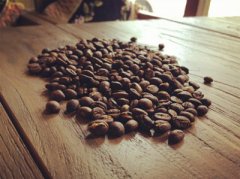
Colombian coffee producing area Colombian coffee elegant demeanor Colombian coffee characteristics brother
Coffee was first introduced to Colombia in 1808 when it was brought by a priest from the French Antilles via Venezuela. Today the country is the second largest producer after Brazil. Colombian coffee origin: Colombian coffee is one of the few original coffee sold in the world under the name of the country. In terms of quality, it can't get any other coffee.

What is Colombian coffee? Where is the main producing area of Colombian coffee?
For more information on coffee beans, please follow the coffee workshop (Wechat official account cafe_style) in 1808, coffee was first introduced to Colombia by a priest from the French Antilles via Venezuela. Today, the country is the second largest producer after Brazil, with an annual output of 13 million bags of 60 kg each, while Brazil

Coffee flavor from different coffee producing areas around the world coffee producing areas in Colombia
In 1808, coffee was first introduced to Colombia, which was brought by a priest from the French Antilles via Venezuela. Today the country is the second largest producer after Brazil. Colombian coffee origin: Colombian coffee is one of the few original coffee sold in the world under the name of the country. In terms of quality, it has acquired other

Colombian boutique coffee-one of the most sold individual coffees in the world
Coffee was first introduced to Colombia in 1808 when it was brought by a priest from the French Antilles via Venezuela. Today, the country is the second largest producer after Brazil, with an annual output of 13 million bags of 60 kg each, while Brazil produces 22 million bags a year. The status of coffee in Colombia can be seen in the following examples-all entering the

Colombian boutique coffee-one of the most sold individual coffees in the world
Coffee was first introduced to Colombia in 1808 when it was brought by a priest from the French Antilles via Venezuela. Today, the country is the second largest producer after Brazil, with an annual output of 13 million bags of 60 kg each, while Brazil produces 22 million bags a year. The status of coffee in Colombia can be seen in the following examples-all entering the
The atmosphere of cafes and slow city coffee in China
Walking around the Wuyishan Sangang Resort these days, I heard local friends talking about a word called slow city, which refers to a kind of urban form that slows down the pace of life abroad. When I was traveling in Nepal, I thought Bokala was a typical slow city. Walking in the Wuyishan San Mushroom Resort these days, I heard local friends talking about a word called slow city. What is slow city?

Colombia Huila production area introduction Colombia coffee has what famous production area
Professional coffee knowledge exchange More coffee bean information Please pay attention to coffee workshop (Weixin Official Accounts cafe_style) Colombia coffee farmers can sell all their products to coffee management associations at official low prices, or they can sell them to exporters, who may offer higher prices or not bid at all. In fact, the Coffee Control Council (FNC) controls the European

A single cup of coffee sold in the world under the name of a country.
Coffee was first introduced to Colombia in 1808 when it was brought by a priest from the French Antilles via Venezuela. Today, the country is the second largest producer after Brazil, with an annual output of 13 million bags of 60 kg each, while Brazil produces 22 million bags a year. The status of coffee in Colombia can be seen in the following examples-all entering the

Nicaraguan Yushi Coffee producing area introduces the story of Nicaraguan Yushi variety discovery
Professional coffee knowledge exchange more coffee bean information please follow the coffee workshop (Wechat official account cafe_style) how did Abyssinia in Ethiopia spread to the Congo and even Nicaragua? WCR's report surprised Miguel Meza, because neither Miguel himself, nor anyone he knew, raw bean merchants, had ever heard of Congolese products.